

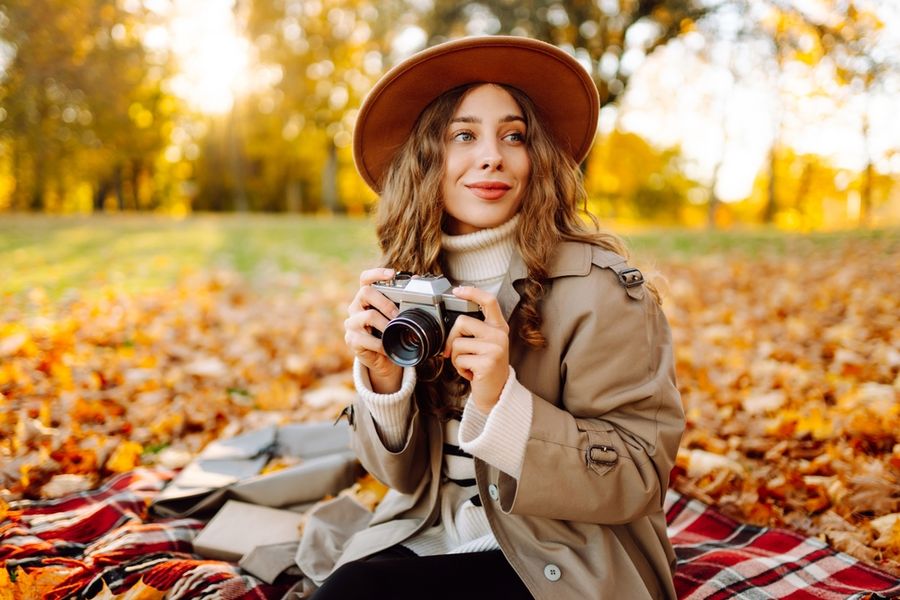
Everyday routines can start to look surprisingly different when you carry a camera with a purpose. A color hunt, texture study, neighborhood photo walk, or one-object challenge encourages you to notice details that normally fade into the background. Beginner photography projects also give you a reason to practice composition, light, timing, and perspective without planning an elaborate shoot. Better yet, a smartphone or basic camera is enough to begin, and familiar surroundings can provide fresh subjects every day.
|
Photography Project |
What To Photograph |
Skill To Practice |
|---|---|---|
|
One-color photo hunt |
Objects sharing a chosen color |
Color and visual focus |
|
Same scene, different times |
One location in changing light |
Light and exposure |
|
Texture scavenger hunt |
Patterns, surfaces, and details |
Close composition |
|
Everyday photo story |
A routine shown step by step |
Visual storytelling |
|
Motion challenge |
Pets, water, traffic, or sports |
Shutter timing |
|
One object, many angles |
A familiar household object |
Perspective and framing |
Go on a One-Color Photo Hunt
Choose one color before leaving home, then photograph every version of it you notice. Red might appear on a stop sign, flower, jacket, mailbox, or food package. Look for bright shades, faded tones, reflections, and tiny accents that would usually go unnoticed. Adobe’s creative photography ideas recommend using interesting color schemes as starting points for new shoots, making a color hunt an easy project when you don’t know what to photograph.
Set a time limit or aim for 10 images so the project stays manageable. Try filling the frame with color in one photograph and using it as a small focal point in another. Pay attention to the background because competing shades can distract from the chosen color. At the end, arrange your favorites into a grid, collage, or digital album. Repeating the challenge with a different color each week can gradually create a larger visual collection.
Photograph the Same Scene at Different Times
Pick one view you pass regularly, such as a front porch, street corner, tree, café window, or park bench. Photograph it from the same position in the morning, afternoon, evening, and during different weather. Familiar scenes can change as shadows move, people pass, and seasons shift. Repetition helps you notice how light and timing influence the mood of an image without requiring a new destination for every shoot.
Keep the framing consistent for comparison, then take a second version using a different angle or crop. Canon’s beginner photography resources explain how exposure, color, and composition can affect the finished image even when the subject stays the same. Review the photographs side by side and note which lighting conditions look most interesting. A weekly or monthly series can also create a visual record of plant growth, neighborhood changes, construction, or seasonal weather.
Create a Texture and Pattern Scavenger Hunt
Turn an ordinary walk into a search for texture, shape, pattern, and repetition. Photograph peeling paint, brickwork, fabric, tree bark, tile, shadows, stacked objects, or ripples in water. Moving closer can remove distracting context and encourage you to think more carefully about line, contrast, and surface detail. Nikon’s composition guidance recommends looking closely at textures and repeated patterns because both can create strong images from ordinary subjects.
Make a short scavenger list before you begin. Look for something rough, smooth, curved, symmetrical, reflective, weathered, and repetitive. Take both a close-up and a wider photograph of each subject to see how context changes the result. A phone camera can handle many texture studies, so special lenses aren’t necessary. Don’t touch private property or damage natural surfaces to improve a photograph. The goal is to notice interesting details already present in the environment.
Tell an Everyday Story in Several Photos
Choose a familiar activity and document it in five to eight photographs. You might show the steps of making breakfast, planting herbs, walking a dog, repairing a bicycle, or preparing for a day trip. Begin with a wide image that introduces the setting, then photograph actions, small details, and the final result. Adobe suggests documenting an entire meal from preparation through plating as one approachable way to practice visual storytelling.
Vary the distance between photographs so the series doesn’t feel repetitive. Combine a wide scene, a medium view, close-up details, and an image of hands in action. Look for a natural beginning, middle, and ending rather than photographing every single step. Before sharing pictures of other people, ask permission, especially when children or private moments are involved. Arranging the final images in order can help you recognize which photographs add useful information and which ones repeat ideas already shown.
Practice Freezing and Blurring Motion
Everyday movement offers a simple way to practice timing. Photograph a pet running, water pouring, a bicycle passing, someone tossing a ball, curtains moving in a breeze, or traffic after dark. Use a faster shutter speed or the camera’s action mode to freeze movement. Try a slower shutter speed when you want motion to appear as a deliberate blur rather than a sharp instant.
Canon’s photography basics explain that shutter-priority modes can help photographers experiment with freezing action, motion blur, and panning. Phone users can tap the moving subject to focus and try burst mode when available. Take several versions because a small change in timing can produce a very different photograph. Review the series afterward and consider which frame makes the action look energetic, balanced, or clear. Always remain aware of traffic, animals, water, and other nearby hazards while shooting.
Photograph One Object From Many Angles
Select one everyday object, such as a mug, shoe, houseplant, lamp, or set of keys, and create at least 12 different photographs of it. Change your distance, camera height, background, orientation, and lighting instead of moving immediately to a new subject. Adobe’s photoshoot suggestions include shooting from above, below, through doorways, and near reflective surfaces to create fresh perspectives from familiar scenes.
Use the project to test one composition technique at a time. Place the object near a rule-of-thirds intersection, center it for symmetry, surround it with empty space, and use nearby edges as leading lines. Nikon’s composition tips note that gridlines can help position subjects and keep horizontal or vertical elements straight. Don’t worry about producing 12 excellent images. Comparing the results can reveal which viewpoint makes the object look larger, quieter, stranger, or more important.
Find New Subjects in Familiar Places
Beginner photography projects make practice feel more focused without requiring expensive equipment or exciting destinations. A color hunt, photo story, texture walk, or motion challenge can reveal details that are easy to miss during a normal day. Choose one project, set a small goal, and review your results before trying another. The more often you photograph familiar surroundings with a specific purpose, the more possibilities you’re likely to notice.