

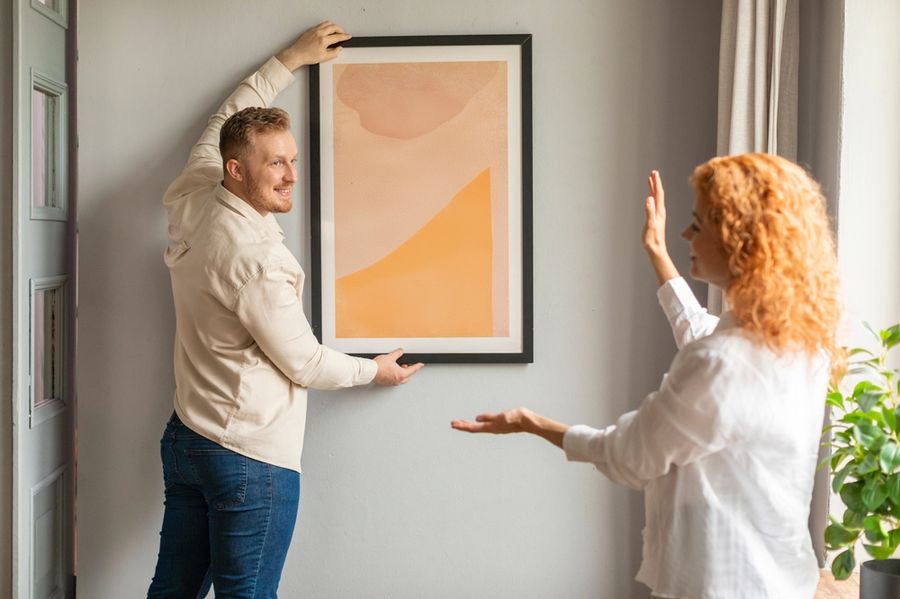
An awkward corner or blank wall can make a room feel unfinished, yet filling every open area with furniture often creates clutter. The best solutions give unused space a clear purpose without interrupting natural walkways or overwhelming the room. A narrow desk, compact reading chair, floating shelf, or carefully arranged artwork can add function and personality where standard furniture won’t fit. Thoughtful scale, lighting, and storage choices help overlooked areas feel intentional while keeping the home comfortable and easy to navigate.
|
Unused |
Practical Option |
What |
|---|---|---|
|
Empty room corner |
Reading chair and floor lamp |
Oversized furniture |
|
Narrow blank wall |
Vertical artwork or picture ledge |
Deep shelving |
|
Space between windows |
Slim console or small bench |
Wide cabinets |
|
Stair landing |
Compact chair, plant, or artwork |
Blocking the walkway |
|
Upper wall space |
Floating shelves |
Storing heavy items too high |
Choose a Purpose Before Adding Furniture
Before buying anything, decide what the empty area should accomplish. A corner near a window may suit reading, while a wall beside the front door may need hooks, a mirror, or a landing spot for keys. Consider how people already move through the room. A solution that narrows a walkway or blocks a door will feel inconvenient, even when it looks attractive.
Measure the width, depth, ceiling height, outlets, and nearby doors before choosing furniture or shelving. Architectural Digest recommends treating unusual angles as opportunities for small-scale, purposeful features rather than forcing standard layouts into them. One chair, a slim cabinet, or a single piece of art may be enough. Leaving open space around the addition helps the arrangement feel deliberate instead of crowded.
Turn a Quiet Corner Into a Reading or Work Nook
A neglected corner can support a useful activity without requiring a full room makeover. For a reading nook, pair a compact chair with a small table and directed light. A floor lamp aimed toward one area works well for task lighting, making it practical where a table lamp won’t fit. A basket for books or blankets can add storage without introducing another bulky cabinet.
For occasional work, try a wall-mounted desk, narrow console, or simple board fitted between two walls. Architectural Digest highlights slim work surfaces as space-saving alternatives when a traditional desk is too large. Keep the setup focused by storing only frequently used supplies nearby. A folding chair or stool can be moved away when the workspace isn’t needed, allowing the corner to serve more than one purpose.
Use Vertical Space for Storage and Display
When floor space is limited, empty walls can hold storage without making the room harder to navigate. Floating shelves, picture ledges, peg rails, and narrow wall cabinets can organize books, kitchen tools, toiletries, or decorative objects. Extending shelves upward draws attention to the room’s height and uses space that would otherwise remain empty. Place everyday items within easy reach and reserve higher shelves for lighter, less frequently used belongings.
However, avoid covering an entire wall just because space is available. A few shelves arranged around existing furniture often look calmer than a large storage system. Architectural Digest recommends thinking vertically in small homes. Also, floating shelves can serve as both display space and a focal point. Use matching containers or a limited color palette to keep assorted objects visually connected.
Create a Gallery Wall That Fits the Space
Blank walls don’t always need furniture. Art, photographs, baskets, textiles, or mirrors can add personality while preserving every inch of floor space. A narrow wall may suit a vertical stack of two or three pieces, while a wide area above a sofa can support one oversized work or a larger grouping. Better Homes & Gardens suggests connecting mixed wall displays through repeated colors, related subjects, or coordinated frames.
Lay the arrangement on the floor before hanging anything, or trace each frame onto paper and tape the templates to the wall. Keep spacing reasonably consistent, and consider the furniture below so the display feels connected to the room. In a tight corner, continue a small gallery across both adjoining walls to create a wrapped effect. Renters can use lightweight art, removable hooks rated for the item’s weight, or a picture ledge that allows displays to change without adding many new holes.
Give Hallways and Transitional Areas a Job
Hallways, stair landings, and spaces between rooms often feel awkward because they’re too narrow for standard furniture. Instead of treating them like small living rooms, choose additions that support movement. A shallow ledge can hold framed photos, while a wall-mounted rail can organize hats, bags, or dog leashes. A mirror can provide a final check near an exit and reflect light into a dim passage.
Keep the walking path open and avoid deep shelves where shoulders or bags may catch on corners. Better Homes & Gardens recommends using lighting, gallery walls, and picture ledges to add interest in small hallways without relying on bulky furniture. On a stair landing, one compact chair, a plant, or a single artwork may be enough. The goal isn’t to fill every gap. It’s to make a pass-through area feel considered while preserving its main purpose.
Choose Flexible Pieces and Install Them Safely
Awkward spaces often change roles over time, so flexible furnishings can be more useful than permanent built-ins. Nesting tables, rolling carts, storage ottomans, and modular cubes can move between rooms as needs change. A corner shelf may hold plants now and bathroom supplies later. Before purchasing anything, mark its footprint with painter’s tape to see whether the size and shape work in daily life.
Wall-mounted shelves and tall storage units need proper hardware for the wall material and the item’s expected load. Follow manufacturer instructions, locate studs when required, and don’t guess about weight limits. The U.S. Consumer Product Safety Commission advises anchoring furniture such as bookcases and dressers to reduce tip-over risks, especially in homes with children. Keep heavier items on lower shelves and avoid placing tempting objects high on furniture where children may try to climb.
Small Spaces Can Still Work Hard
Awkward corners and empty walls don’t need dramatic renovations to feel useful. A clear purpose, accurate measurements, and appropriately scaled pieces can turn overlooked areas into storage, seating, work zones, or personal displays.
Start with one simple change and live with it before adding more. When each addition supports daily life and leaves enough breathing room, even the smallest spaces can feel polished, practical, and naturally connected to the rest of the home.