

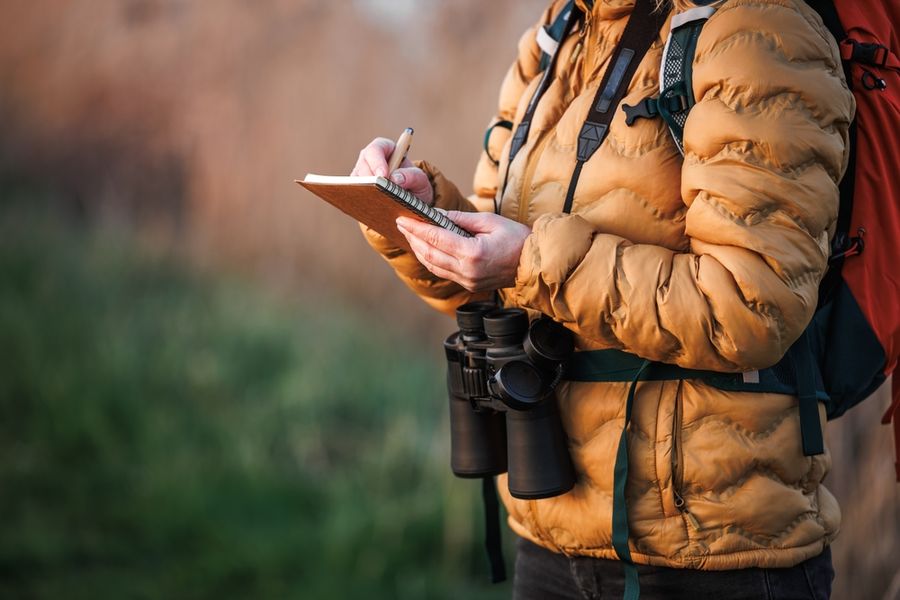
Birdwatching can turn an ordinary walk, backyard break, or morning coffee into a chance to notice something new. And the best part is you don’t need expert knowledge, expensive equipment, or access to a remote nature preserve to begin. Birds live in city parks, neighborhood trees, ponds, parking lots, and gardens. Learning a few observation skills and carrying simple tools can make identification easier. With patience and regular practice, familiar chirps and flashes of color can gradually reveal a surprisingly active world nearby.
|
Beginner Essentials |
Why It Helps |
Simple Starting Point |
|---|---|---|
|
Binoculars |
Bring distant birds into clearer view |
Try an 8x model with a comfortable grip |
|
Field guide or app |
Helps compare possible species |
Choose one covering your region |
|
Notebook or Note App |
Records locations, behavior, and markings |
Write down details before checking an ID |
|
Weather-ready clothing |
Keeps outings comfortable |
Wear layers and supportive shoes |
|
Water and sun protection |
Helps during longer walks |
Carry a reusable bottle, hat, and sunscreen |
Start by Watching Birds Close to Home
Your backyard, balcony, neighborhood street, or local park is a perfectly good place to begin birdwatching. Familiar locations let you focus on birds instead of navigating an unfamiliar trail. Be sure to look around trees, shrubs, open lawns, utility lines, and water sources. Even heavily developed areas may attract pigeons, sparrows, robins, crows, doves, and other species that are helpful for practicing basic identification.
Audubon’s beginner birding advice recommends checking nearby green spaces, open water, yards, street trees, and hedges. Visit the same location regularly and notice which birds appear at different times. Repeated observation helps you recognize common movements, calls, and feeding habits. You’ll also begin noticing seasonal changes without needing to travel far.
Choose Simple Gear That You’ll Actually Use
Birdwatching doesn’t require a large collection of equipment. Binoculars are useful, but comfort and ease of focusing matter more than buying the most powerful pair. Many beginners find 8x binoculars easier to hold steady because they offer useful magnification and a wider field of view. A 10x model may help with distant shorebirds or raptors, but greater magnification can make shaking more noticeable.
The Cornell Lab’s binocular guidance recommends testing the focus wheel, field of view, weight, balance, and fit around the eyes before purchasing. Add a regional field guide or bird identification app, plus a small notebook. Start with basic tools and upgrade only after learning which features would improve your outings.
Learn to Identify Birds Using Several Clues
Color is useful, but it shouldn’t be the only detail you consider. Lighting can change how feathers appear, and males, females, juveniles, and seasonal plumages may look different. First, estimate the bird’s size and overall shape. Compare it with something familiar, such as a sparrow, robin, crow, or goose. Notice the bill, tail, wings, posture, and any clear patterns.
Next, observe what the bird is doing and where you found it. A bird climbing a tree trunk offers a different clue from one scratching through leaves or swimming on a pond. The Cornell Lab’s beginner tips recommend using size and shape, color pattern, behavior, and habitat together. Write down your observations before opening a guide so you don’t forget important details.
Visit Places Where Different Birds Gather
Once you’re comfortable watching birds near home, try a variety of habitats. Parks with mature trees may attract songbirds and woodpeckers, while ponds, lakes, marshes, and beaches can offer ducks, herons, gulls, and shorebirds. Open fields may provide views of hawks or grassland species. Habitat is one of the strongest clues when narrowing down an identification.
Check the weather and dress for local conditions before heading out. Bring water, sun protection, insect repellent when appropriate, and shoes suited to the terrain. Audubon recommends researching local species, weather, sunlight, and insects before an outing. You can also look for guided walks hosted by nature centers, parks, bird clubs, or Audubon chapters. Experienced birders often point out calls and movements that beginners might overlook.
Use Apps and Notes to Build Your Skills
A bird identification app can help compare photos, sounds, locations, and physical descriptions while an observation is still fresh. Cornell’s free Merlin Bird ID app, for example, includes images and sounds for thousands of species and can suggest possible matches from a photo or description. Just be sure to treat the app results as helpful leads rather than automatic proof, especially when several local species look or sound similar.
Keeping records can make birdwatching more rewarding over time. Note the date, location, habitat, weather, number of birds, and any unusual behaviors. The eBird beginner resources explain how users can submit checklists, track personal sightings, and contribute observations used by researchers and conservationists. A paper notebook works just as well when you’d rather leave your phone in your pocket.
Watch Birds Without Disturbing Them
Responsible birdwatching puts the welfare of birds ahead of getting a closer look or better photograph. Keep a respectful distance, stay on designated trails, and avoid approaching active nests, roosts, or feeding areas. Don’t remove plants, enter closed habitats, or step onto private property without permission. If a bird repeatedly calls, changes behavior, or leaves because of your presence, give it more space.
The American Birding Association’s Code of Birding Ethics also recommends limiting recordings used to attract birds, particularly around nests, rare species, and heavily visited locations. Keep pets controlled, respect other visitors, and follow site-specific rules. Ethical habits protect wildlife while helping parks and natural areas remain welcoming to birders, photographers, hikers, and nearby communities.
Let Curiosity Lead the Way
Birdwatching gets easier when you focus on noticing rather than identifying every bird perfectly. Start nearby, learn a few common species, and record enough detail to investigate unfamiliar visitors later.
Each outing can strengthen your observation skills, whether you see a rare migrant or the same backyard robin. With simple equipment, patience, and respect for wildlife, birdwatching can remain an accessible hobby for years.