

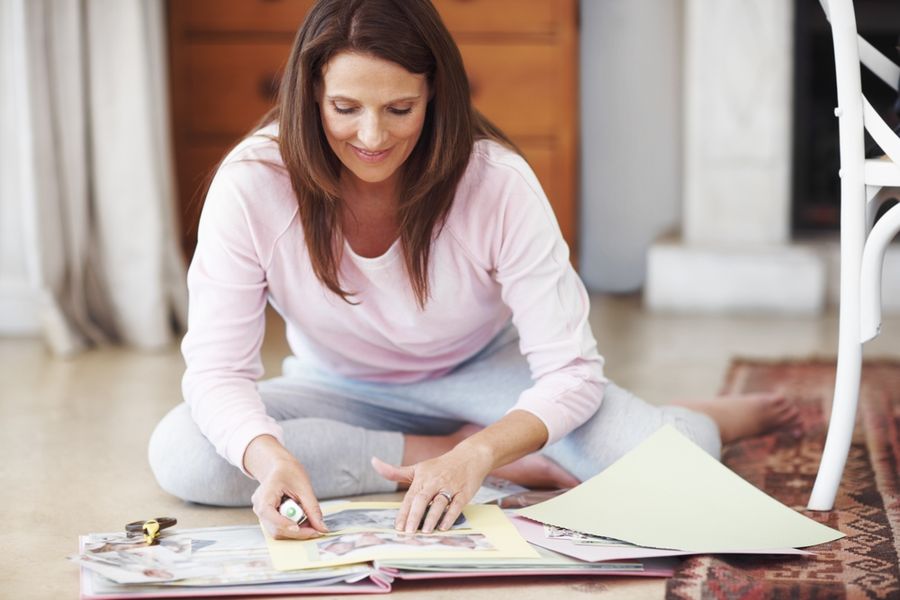
Receipts, ticket stubs, packaging, old envelopes, and scraps of patterned paper can hold more creative potential than they first appear to have. Junk journaling turns ordinary materials into layered pages filled with color, texture, memories, and personal observations. The hobby doesn’t demand artistic training or expensive supplies, making it approachable for anyone who enjoys cutting, arranging, writing, or collecting small keepsakes. Each journal can grow at its own pace and reflect daily life in a completely personal way.
What Is Junk Journaling?
Junk journaling combines elements of traditional journaling, collage, scrapbooking, and paper crafting. Instead of relying only on blank pages and written entries, creators attach found materials such as receipts, wrappers, labels, postcards, maps, fabric scraps, and old book pages. Some journals document everyday life, while others follow a theme based on travel, nature, family history, books, or a favorite color.
There aren’t many fixed rules. Pages can be highly decorated or intentionally simple, and writing is optional. Better Homes & Gardens describes junk journaling as a way to preserve everyday memories using materials that might otherwise be discarded. A journal might hold a coffee sleeve from a memorable morning, a ticket from a concert, or packaging with an interesting pattern. Personal meaning often matters more than artistic perfection.
Gather Creative Materials From Everyday Life
Start by noticing paper items that normally pass through your hands without much attention. Shopping tags, bakery bags, stamps, greeting cards, envelopes, tissue paper, product labels, paper menus, brochures, and magazine pages can all supply interesting colors or textures. Clean materials before saving them, and avoid anything greasy, damp, moldy, or likely to attract insects.
Reusing suitable materials can also reduce the need to purchase new craft supplies. The Environmental Protection Agency encourages saving packaging, colored paper, and other household items for art projects as part of reducing and reusing waste. Keep only pieces that genuinely interest you so the hobby doesn’t create piles of unwanted clutter. A small envelope, folder, or box can hold recent finds until you’re ready to create a page.
Start With a Few Basic Supplies
You don’t need a fully stocked craft room to make a junk journal. An unused notebook, sketchbook, old planner, or handmade collection of folded papers can serve as the base. Choose something you won’t feel nervous about altering. A less expensive journal may make it easier to experiment, cover mistakes, and remove pages when necessary.
A simple beginner kit can include:
- A journal or sturdy notebook
- Scissors
- A glue stick or tape runner
- Pens or markers
- Collected paper materials
- A ruler
- A folder for loose scraps
- Optional stickers, stamps, or washi tape
Start with supplies already available at home before buying decorative sets. A basic glue stick often works for lightweight materials, while thicker pieces may need a stronger paper-safe adhesive. Test markers, inks, and glue on a spare page when you’re unsure how they’ll react.
Build Your First Page With Simple Layers
Choose one item as the page’s starting point, such as a ticket, photograph, label, or piece of patterned packaging. Place it on the page without gluing it down immediately. Add two or three supporting scraps around it, varying their sizes and shapes. Overlapping edges can create depth, while leaving some blank space keeps the arrangement from feeling crowded.
Once you like the layout, attach the largest background pieces first and work toward the smallest details. Add a date, short sentence, caption, doodle, or list to give the page context. Pages don’t have to match, and every available area doesn’t need decoration. A torn edge, crooked label, or visible handwriting can add character. Treat the first spread as an experiment rather than a finished work that must meet a particular standard.
Use Pages to Record Memories and Ideas
Junk journals can preserve ordinary experiences that might not seem important enough for a traditional scrapbook. A grocery receipt can accompany notes about a favorite meal, while a museum brochure can become the background for memories from a day trip. Small objects often provide useful prompts when you aren’t sure what to write.
The journal can also focus on imagination rather than personal history. Create pages around color combinations, song lyrics, garden ideas, reading lists, seasonal observations, or fictional characters. Pockets made from envelopes can hold removable notes, while folded pages can hide longer entries. Research into analog journaling suggests that people shape their practices around personal goals, preferred materials, and creative communities, so no single format works for everyone. The most sustainable routine is one that fits your interests and available time.
Organize Supplies and Protect Important Pages
Collecting materials can quickly become less enjoyable when every surface fills with scraps. Sort supplies into a few broad groups, such as neutral papers, colorful packaging, personal keepsakes, and decorative pieces. Clear envelopes, file folders, photo boxes, or shallow drawers make materials visible without requiring a complicated organizational system. Review the collection occasionally and recycle anything you no longer want to use.
Pages containing irreplaceable photographs, letters, or family records deserve extra care. The Library of Congress recommends acid-free and lignin-free papers for long-lasting albums, along with careful handling and storage away from heat, moisture, and direct light. The National Archives also notes that poor-quality glue, rubber cement, and pressure-sensitive tape may discolor or damage valuable papers over time. Consider using copies of fragile originals and storing the originals separately.
Let Everyday Scraps Inspire Something Personal
Junk journaling offers a flexible way to create without needing formal techniques, matching supplies, or a perfect plan. Begin with one notebook and a handful of materials that catch your attention. As the pages fill, ordinary scraps can form a colorful record of places, routines, interests, and memories that might otherwise be forgotten.