

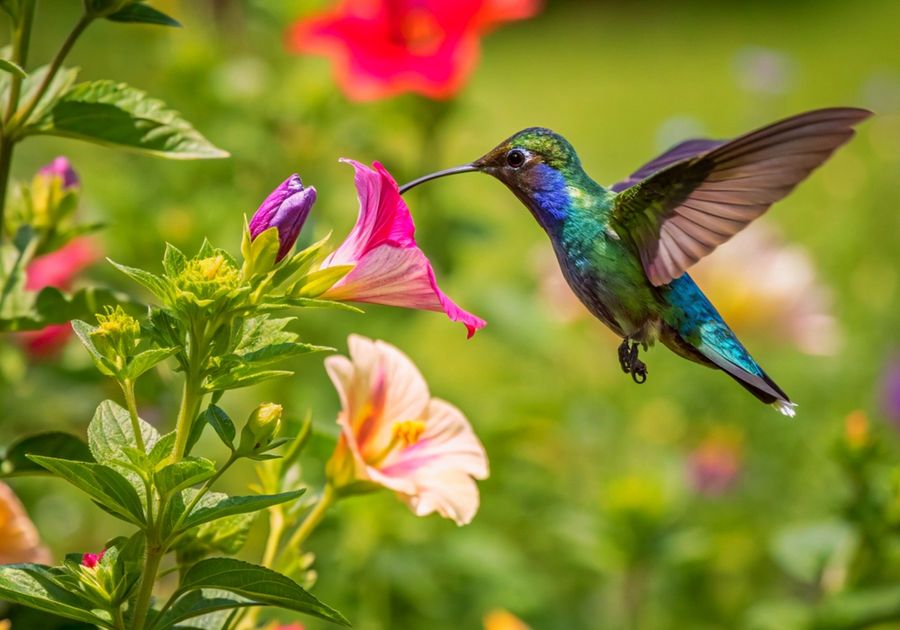
Birdsong can make a backyard feel livelier, but attracting birds shouldn’t require constant feeder refills, daily scrubbing, or complicated landscaping. A thoughtful setup can provide food, water, shelter, and safe resting places while fitting into a manageable yard-care routine. Native plants, a simple water source, and carefully chosen feeders can do much of the work naturally. With a few practical choices, even a modest outdoor space can welcome feathered visitors without adding another demanding list of weekend chores.
Focus on the Basic Features Birds Need
Birds are more likely to visit a yard that provides food, water, and shelter. According to the Cornell Lab of Ornithology, those three resources form the foundation of a bird-friendly habitat. You don’t need a large property or an elaborate garden. A few well-placed features can support birds while keeping maintenance manageable.
|
Backyard feature |
Low-maintenance choice |
Basic upkeep |
|---|---|---|
|
Food |
Native seed- or berry-producing plants |
Seasonal trimming |
|
Water |
Shallow birdbath or plant saucer |
Refill and scrub regularly |
|
Shelter |
Dense shrub or evergreen |
Occasional pruning |
|
Feeders |
One easy-to-clean feeder |
Clean and refill as needed |
|
Nesting space |
Existing trees and shrubs |
Avoid heavy pruning in nesting season |
Start with one feature from each category rather than filling the yard all at once. Birds may take time to notice a new habitat, so watch which plants, feeders, or water sources receive the most activity. Features that attract few visitors or require too much work can be adjusted or removed.
Let Native Plants Supply Food Naturally
Native plants can provide seeds, berries, nectar, and insects without requiring constant feeder refills. Plants adapted to local conditions may also need less supplemental water and fewer pest-control treatments once established. The National Audubon Society offers a searchable native plant database that helps homeowners find bird-friendly options suited to their location.
Choose several plants that offer food during different seasons. Coneflowers and sunflowers can produce seeds, while serviceberries, elderberries, and other fruiting shrubs may attract berry-eating birds. Native flowering plants also support caterpillars and other insects that many birds feed to their young. You don’t need to replace every plant in the yard. Start with one garden bed, a fence line, or a few large containers and expand only when the original planting is established.
Create Shelter With Simple Layers of Greenery
A wide-open lawn offers limited protection from weather and predators. Birds generally feel safer when they can move among trees, shrubs, grasses, and lower-growing plants. Layered greenery also creates places to perch, forage, and rest. One small tree paired with a dense shrub and a patch of native flowers can provide useful habitat without turning the entire backyard into a complicated landscape.
That said, avoid choosing plants that need frequent shaping, spraying, or dividing. Informal shrubs and ornamental grasses often look attractive with only seasonal trimming. A small “wild” corner can reduce work even further. Leave seed heads standing through winter, allow some leaves to remain beneath shrubs, and avoid cutting every stem immediately after flowering. Cornell notes that seed heads, fallen leaves, and old plant material can provide food, insects, and nesting resources for birds.
Add a Birdbath That’s Easy to Clean
A water source may attract birds that rarely visit feeders, especially during hot or dry weather. You don’t need a fountain, pond, or complicated pump system. A shallow birdbath, sturdy plant saucer, or wide ceramic bowl can work well. Place it where you can see it easily, since a visible location makes refilling and cleaning more likely to become part of your normal routine.
The National Wildlife Federation recommends a basin no more than three inches deep, with a textured surface or stones that give small birds secure footing. Position the bath near shrubs or trees so birds have nearby cover, but don’t bury it deep inside dense vegetation where predators could hide. Replace standing water regularly and scrub away droppings or algae, particularly during warm weather.
Keep Bird Feeding Simple and Strategic
Feeders can bring birds close to patios and windows, but too many feeder styles create extra filling, cleaning, and spilled seed. Start with one durable model that comes apart easily. A basic tube feeder can serve many seed-eating birds, while a suet cage may appeal to woodpeckers and other insect-eating species. Choose seed based on birds common to your region rather than buying several blends at once.
Place the feeder where fallen seed can be swept, raked, or collected without disturbing a flower bed. A tray may reduce mess, although it’ll also need cleaning. Refill smaller amounts more often instead of allowing old seed to sit for long periods. The U.S. Fish and Wildlife Service advises cleaning feeders regularly to help reduce the spread of disease. If birds appear sick, temporarily remove feeders and clean the surrounding area.
Make the Yard Safer for Visiting Birds
Attracting birds also means reducing hazards around the yard. Windows can reflect sky and greenery, making glass difficult for birds to recognize. Exterior window markers, screens, or patterns can help make large panes more visible. Keep bird-attracting houseplants away from windows, and reduce unnecessary outdoor lighting at night, particularly during migration periods.
Further, keep cats indoors or in a secure outdoor enclosure, and prevent dogs from chasing birds around feeding or nesting areas. Also avoid broad pesticide use, since insects are an important food source for many species. Maintenance can follow a simple seasonal schedule, such as:
- Clean nest boxes before breeding season,
- Prune when nests aren’t active
- Refresh birdbath water regularly
- Leave selected seed heads standing through fall and winter
A Lively Yard Without the Extra Work
A bird-friendly backyard doesn’t need to look wild, expensive, or difficult to maintain. Native plants, one dependable water source, a manageable feeder, and a few sheltered areas can create an inviting habitat. Begin with small changes, observe which visitors arrive, and build on what works. A simpler design can support local birds while leaving plenty of time to sit back and enjoy them.