

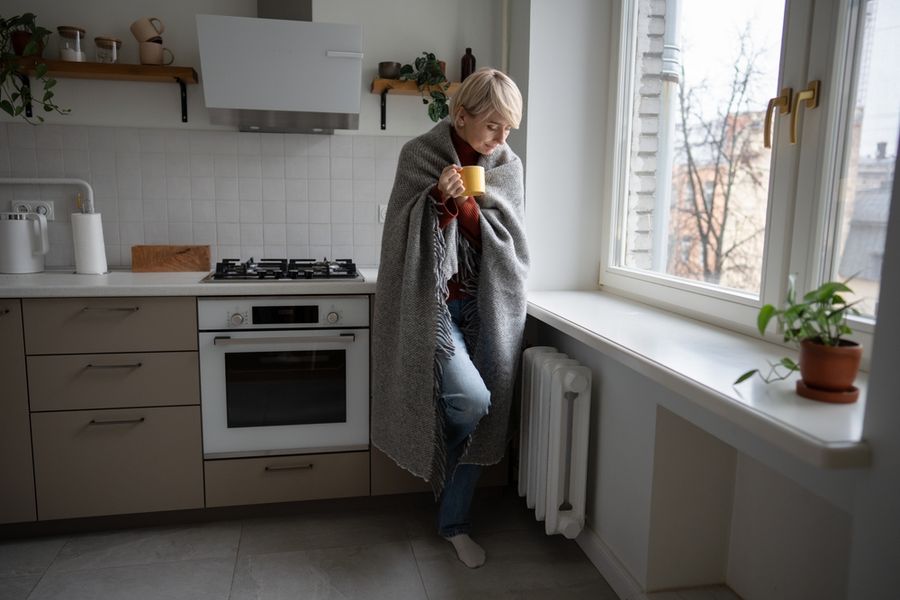
A drafty home can feel uncomfortable even when the heating or cooling system is running. Cold air near windows, uneven room temperatures, and floors that never seem warm often point to gaps where outdoor air is getting inside. Air leaks can also force HVAC equipment to work harder, raising energy use (and your bill!) without improving comfort. Finding the source of unwanted airflow can help you choose practical fixes that make each room feel more consistent throughout the year.
Why Your Home Feels Drafty
Drafts happen when outside air enters through gaps in the home’s exterior while conditioned air escapes. Pressure differences caused by wind, exhaust fans, chimneys, and heating systems can pull air through surprisingly small openings. Some leaks are easy to spot, while others stay hidden behind trim, walls, or attic access points.
The most common offenders include:
- Windows and exterior doors
- Attic hatches and pull-down stairs
- Electrical outlets on exterior walls
- Baseboards, trim, and flooring gaps
- Fireplaces and chimney dampers
- Plumbing, wiring, and vent openings
- Poorly insulated attics, walls, and crawl spaces
A home may have several problem areas rather than one major leak. Addressing multiple small gaps can make a noticeable difference in comfort.
Windows and Doors Are Common Sources of Air Leaks
Windows and exterior doors often create noticeable drafts because they contain movable parts, frames, and seals that wear down over time. Old weatherstripping may crack, flatten, or pull away from the surface. Window caulk can also shrink and separate, leaving narrow gaps around the frame. Even newer windows may feel drafty if they weren’t installed or sealed properly.
Start by checking whether you can see daylight around a closed door or feel airflow near the edges of a window. Replace damaged weatherstripping, add a door sweep, and recaulk stationary gaps around frames. Removable caulk or insulating film may help with rarely used windows during colder months. Curtains can reduce discomfort near glass, but they won’t stop air from entering through an unsealed frame.
Attics and Upper Levels Can Let Warm Air Escape
Warm air naturally rises, so gaps near the top of a home can allow heated air to escape into the attic. Attic hatches, recessed lights, ceiling fixtures, bathroom fans, and wiring openings may all contribute. As warm air leaves, colder outdoor air can get pulled into lower areas of the house, creating drafts near floors, doors, and windows.
Inspect the attic entrance first, especially if it’s located in a hallway or bedroom closet. Add weatherstripping around the hatch and attach rigid foam insulation to the back when appropriate. Gaps around wiring and plumbing penetrations may be sealed with products designed for the specific material and temperature conditions. Attic insulation also matters, but insulation alone won’t block airflow. Air leaks should usually be sealed before more insulation is added.
Outlets, Baseboards, and Wall Gaps May Be Overlooked
Air can move through gaps inside exterior walls and emerge around electrical outlets, light switches, baseboards, crown molding, or built-in cabinets. A draft near an outlet doesn’t always mean the opening itself is exposed directly outdoors. Air may be traveling through the wall cavity before finding an easy path into the room.
Foam outlet gaskets can help reduce airflow behind cover plates on exterior walls. Always turn off the power before removing a plate, and don’t place spray foam or other materials inside electrical boxes. Caulk may be used along fixed gaps where baseboards meet walls or floors, as long as the joint isn’t designed to move. Larger or recurring gaps could indicate settling, moisture damage, or poor construction, so they may need professional evaluation rather than a quick cosmetic repair.
Fireplaces, Vents, and Utility Openings Can Create Bigger Drafts
A fireplace can pull a large amount of indoor air out of the house, especially when the damper doesn’t close tightly. Even an unused fireplace may allow cold air to spill into the room. Dryer vents, kitchen exhaust vents, plumbing lines, cable entries, and outdoor faucets can also leave openings through the home’s exterior shell.
Make sure the fireplace damper closes fully when the fireplace isn’t in use. A chimney balloon or fitted fireplace plug may reduce airflow in an unused fireplace, but it must be removed before lighting a fire. Check exterior vent covers for damage and confirm that flaps close when equipment isn’t running. Seal gaps around pipes and cables with an appropriate exterior-grade product. Don’t block combustion air openings, exhaust vents, or any gap required for safe appliance operation.
Poor Insulation Can Make Rooms Feel Drafty Without Strong Airflow
Not every cold area is caused by air moving through a visible gap. Poor insulation can leave walls, ceilings, and floors much colder than the surrounding room. Your body loses heat to cold surfaces, which can create a draft-like sensation even when the air itself isn’t moving quickly. Rooms above garages, additions, crawl spaces, and older sections of a home are frequent trouble spots.
Look for patterns such as one consistently cold wall, chilly floors, or a room that changes temperature faster than the rest of the house. An energy assessment or thermal camera inspection can help identify missing or uneven insulation. Adding insulation may improve comfort, but the correct approach depends on the wall, attic, basement, or crawl space. Moisture problems should be corrected first so new insulation doesn’t trap dampness or encourage mold growth.
How to Find Drafts and Choose the Right Fix
Begin with a slow walk through the home on a windy or cold day. Check around windows, doors, baseboards, outlets, attic access points, and fireplaces. You may feel airflow with your hand, but a tissue or lightweight strip of paper can reveal subtle movement. Avoid using an open flame near curtains, insulation, woodwork, or unknown leaks.
Prioritize easy, low-cost repairs such as replacing weatherstripping, adjusting door latches, adding door sweeps, and sealing fixed cracks. Keep a list of rooms that stay uncomfortable after basic repairs. Keep in mind that persistent problems may call for a professional energy audit, blower door test, insulation contractor, or HVAC inspection. Major air sealing can affect ventilation and indoor air quality, so homes with fuel-burning appliances should be checked for proper combustion and safe exhaust before extensive work begins.
A More Comfortable Home Starts With the Small Gaps
A drafty home doesn’t always require new windows, a larger furnace, or a major renovation. Worn seals, attic openings, utility penetrations, and overlooked wall gaps often contribute to the problem. Tackling manageable leaks first can improve comfort and help heating and cooling systems maintain steadier temperatures.
Pay attention to where discomfort occurs and whether it changes with wind, outdoor temperature, or HVAC operation. Simple observations can point you toward the most likely cause. When drafts continue after basic sealing, a professional assessment can uncover hidden leaks, insulation gaps, or ventilation concerns and help you invest in the repairs that are most likely to make a lasting difference.