

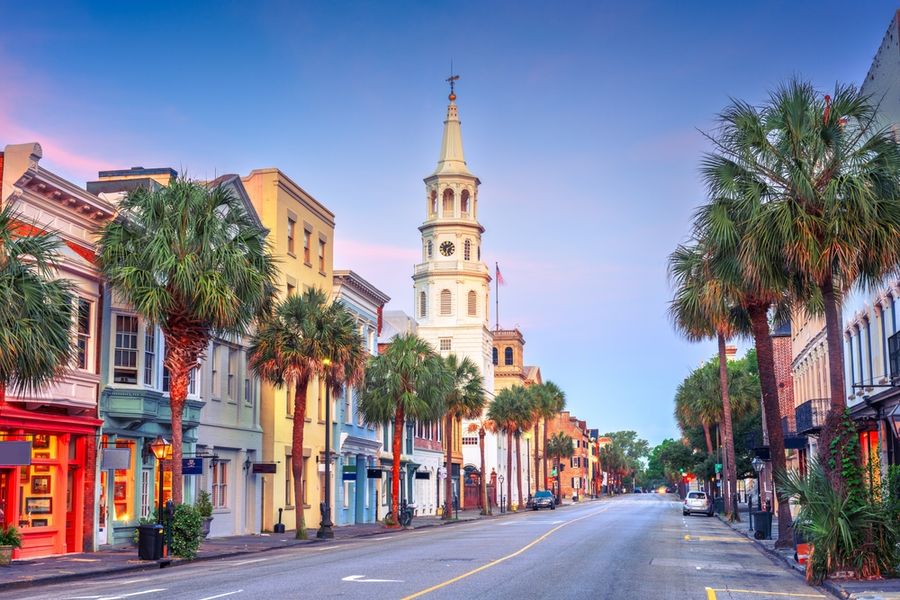
Three days in Charleston may sound brief, but a thoughtful itinerary can fit historic streets, waterfront views, memorable Lowcountry meals, and time near the ocean into one rewarding getaway. First-time visitors can walk past colorful homes, tour important museums, cruise to Fort Sumter, browse local crafts, and enjoy a relaxed beach morning. Grouping nearby sights together keeps transportation simple and leaves enough room to appreciate the city’s character without rushing from one reservation to another.
A 3-Day Itinerary in Charleston, South Carolina
|
Day |
Morning |
Afternoon and evening |
|---|---|---|
|
Day One |
The Battery, Rainbow Row, and historic streets |
City Market, King Street, and Lowcountry dining |
|
Day Two |
Fort Sumter ferry and visitor center |
IAAM or Charleston Museum, followed by dinner |
|
Day Three |
Folly Beach and coastal scenery |
Waterfront Park and a final downtown meal |
Day One Morning: Walk Through Charleston’s Historic District
Begin near the Battery, where historic homes face Charleston Harbor and White Point Garden provides a pleasant place to pause. From there, walk north toward Rainbow Row, the well-known collection of colorful houses along East Bay Street. The Charleston Area Convention and Visitors Bureau’s first-timer itinerary highlights Rainbow Row, historic homes, the harbor, and other landmarks as defining stops for new visitors.
Continue through the South of Broad area at a comfortable pace, paying attention to courtyards, church steeples, ironwork, and narrow side streets. Many homes remain private residences, so admire them from public sidewalks and avoid blocking entrances. Charleston’s heat and humidity can make even a short walk tiring, particularly during summer. Start early, wear comfortable shoes, carry water, and schedule indoor breaks instead of trying to cover the entire peninsula before lunch.
Day One Afternoon: Visit the City Market and King Street
After lunch, head toward the Historic Charleston City Market, where vendors sell locally made art, food products, souvenirs, and traditional sweetgrass baskets. The market’s open-air sheds stretch through several downtown blocks, making it easy to browse without committing an entire afternoon. Sweetgrass basket weaving is a significant Gullah tradition, so take time to learn about the craft and speak respectfully with artists before photographing their work.
Continue toward King Street for boutiques, galleries, antique shops, and cafés. You don’t need to walk its full length to get a sense of the area. Pick a few places that match your interests and leave time for an unhurried dinner. Charleston’s food traditions reflect African, Caribbean, European, and coastal influences. Look for regional dishes such as shrimp and grits, she-crab soup, oysters, red rice, or fresh local seafood, while remembering that menus change seasonally.
Day Two Morning: Take the Ferry to Fort Sumter
Reserve the second morning for Fort Sumter, where the first shots of the Civil War were fired in April 1861. Visitors reach the fort by ferry, and the trip across Charleston Harbor adds waterfront views to the historical experience. According to the National Park Service, private boats can’t dock at Fort Sumter, and the authorized ferry departs from Liberty Square or Patriots Point. Advance ticket purchases are strongly recommended.
Allow enough time for check-in, the boat ride, and the visit itself rather than placing another timed reservation immediately afterward. Start at the Fort Sumter Visitor Center at Liberty Square if you want background information before boarding. Ferry schedules can change because of weather or operating conditions, so verify departure details close to your trip. Bring water, sun protection, and a light layer for the boat, where wind may make temperatures feel cooler than they do downtown.
Day Two Afternoon: Choose a Museum That Deepens the Story
After returning from Fort Sumter, visit the International African American Museum near Gadsden’s Wharf. Its exhibitions address African American history, the African diaspora, the transatlantic slave trade, Gullah Geechee culture, and generations of achievement and resilience. The museum uses timed admission and recommends buying tickets online, so check the operating calendar before building it into your day.
Another option is the Charleston Museum, whose galleries cover Lowcountry history, natural history, decorative arts, textiles, and Charleston’s experiences during major conflicts. Combination tickets are available for visitors who also want to tour the Heyward-Washington House or Joseph Manigault House. Choose one museum rather than rushing through several. Each provides valuable context for the buildings, traditions, and historical sites seen around the city.
Day Three Morning: Make Time for the Coast
Spend the final morning at Folly Beach County Park, located along the western end of Folly Island between the Atlantic Ocean and the Folly River. Boardwalks and accessible ramps lead to the beach, while seasonal amenities may include lifeguards, chair rentals, umbrellas, picnic areas, and a snack bar. The park also offers views toward Skimmer Flats, an important nesting area for Eastern Brown Pelicans.
Arrive early during warm-weather weekends because the parking area often reaches capacity by midmorning. Conditions, fees, lifeguard schedules, and rental availability vary by season, so review current information before leaving downtown. A few relaxed hours may be more enjoyable than turning the beach visit into a full-day commitment. Walk near the water, take photographs, or simply sit and enjoy the ocean before returning to Charleston for lunch and a final afternoon downtown.
Day Three Afternoon: End Along the Waterfront
Finish the trip at Waterfront Park, where shaded paths, harbor views, fountains, and seating areas offer a slower final stop. From the park, you can walk toward nearby streets for coffee, dessert, or an early dinner. Anyone whose feet need a break can use the free Downtown Area Shuttle (DASH), which connects attractions including Waterfront Park, City Market, King Street, the Charleston Museum, and the visitor center.
Use the final hours for something you missed rather than squeezing in another major attraction. Return to a favorite shop, browse a gallery, sit near the harbor, or order one last Lowcountry dish. Travelers with later departures could revisit the market or walk another section of King Street. Keeping the afternoon flexible also protects the itinerary from ferry delays, beach traffic, weather changes, or a meal that lasts longer than expected.
Three Days That Capture Charleston’s Character
A rewarding Charleston itinerary balances historic landmarks with the city’s living culture, food, waterfront, and nearby coast. Three days won’t cover every museum, street, and beach, but thoughtful planning can provide a meaningful first visit. By grouping downtown attractions together, reserving Fort Sumter in advance, and leaving room for an unhurried meal or harbor walk, you can experience Charleston without making the getaway feel like a checklist.